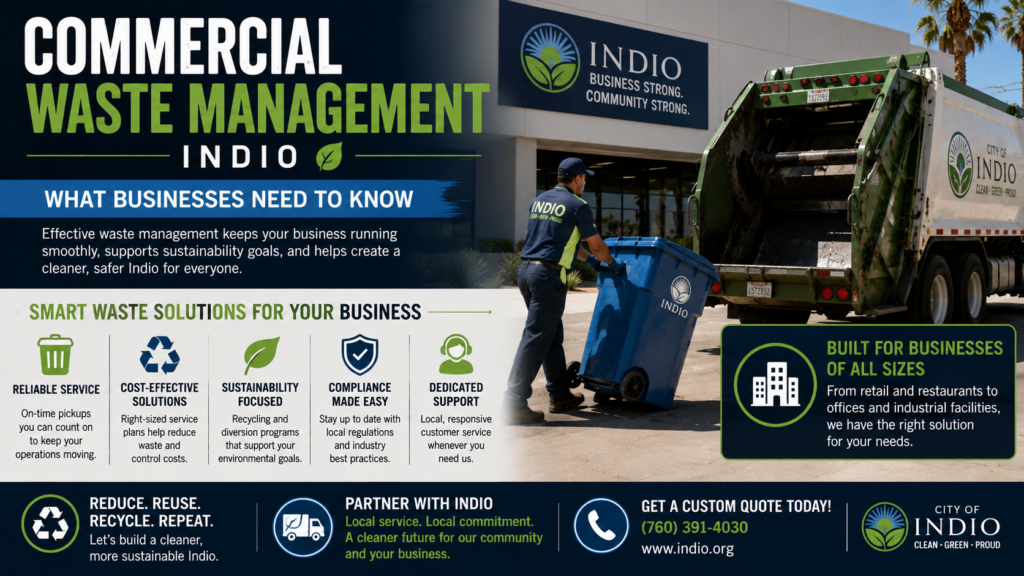
Commercial waste management in Indio operates within a more complex regulatory and logistical framework than residential service. Businesses, retail establishments, restaurants, medical offices, industrial facilities, and multi-family properties all generate waste with different characteristics, volumes, and disposal requirements. Understanding the Commercial Waste Management Indio landscape in Indio including California’s increasingly rigorous waste diversion requirements is essential for businesses operating in compliance and responsible stewardship.
How Commercial Waste Differs from Residential Service
Commercial waste generation varies enormously by business type. A small retail shop may produce waste similar in volume and character to a residential household. A restaurant generates substantial quantities of food waste, grease, packaging, and glass. A medical office generates regulated medical waste alongside ordinary commercial refuse. A construction company generates debris, materials, and hazardous substances far removed from ordinary trash.
This diversity means that commercial waste management is not a single standardized service but a portfolio of services matched to specific business needs. Collection frequency, container sizing, specialized waste streams, and regulatory reporting requirements all vary based on what a business generates and in what quantities.
California’s Commercial Organic Waste Requirements
SB 1383, California’s Short-Lived Climate Pollutant Reduction Act, has particular significance for commercial entities. Businesses that generate significant quantities of organic waste primarily food waste are required to participate in organic waste recycling programs. This requirement applies to a broad range of commercial operations in Indio, including restaurants, grocery stores, hotels, schools, and healthcare facilities.
Compliance with SB 1383 involves subscribing to an organics collection service, ensuring that covered materials are separated from general trash, and maintaining records of compliance. Businesses that fail to comply face potential penalties. The city and waste service providers in Indio work with businesses to understand and meet these requirements, but the fundamental responsibility for compliance rests with the business operator.
Edible food recovery is another component of SB 1383 that applies to certain commercial food generators. Businesses that generate significant quantities of still-edible food including supermarkets, food distributors, and large event venues are required to donate recoverable food to food recovery organizations rather than disposing of it. This requirement reflects the dual objective of reducing landfill waste and addressing food insecurity.
Commercial Recycling Requirements
California law has long required commercial establishments to implement recycling programs. Businesses that generate significant quantities of recyclable materials cardboard, paper, glass, metals, and plastics are required to provide employees with access to recycling and to subscribe to recycling collection services. In Indio, commercial customers typically work with waste service providers to establish recycling collection schedules and container configurations appropriate for their volume and material types.
Cardboard recycling is particularly significant for commercial operations. Retailers, distributors, and food service operations often generate large volumes of corrugated cardboard, which has substantial recycling value and is specifically targeted by commercial diversion requirements.
Specialized Commercial Waste Streams
Several categories of commercial waste require management beyond standard collection services.
Grease and used cooking oil from food service operations must be collected by licensed grease haulers and processed at approved facilities. Improper disposal of grease including pouring it into drains or placing it in garbage containers creates sewer system problems and is prohibited.
Regulated medical waste from healthcare offices, dental practices, veterinary clinics, and similar facilities must be collected and disposed of through licensed medical waste management programs. This includes sharps, contaminated materials, and biological waste. Medical waste may not be placed in regular commercial garbage containers.
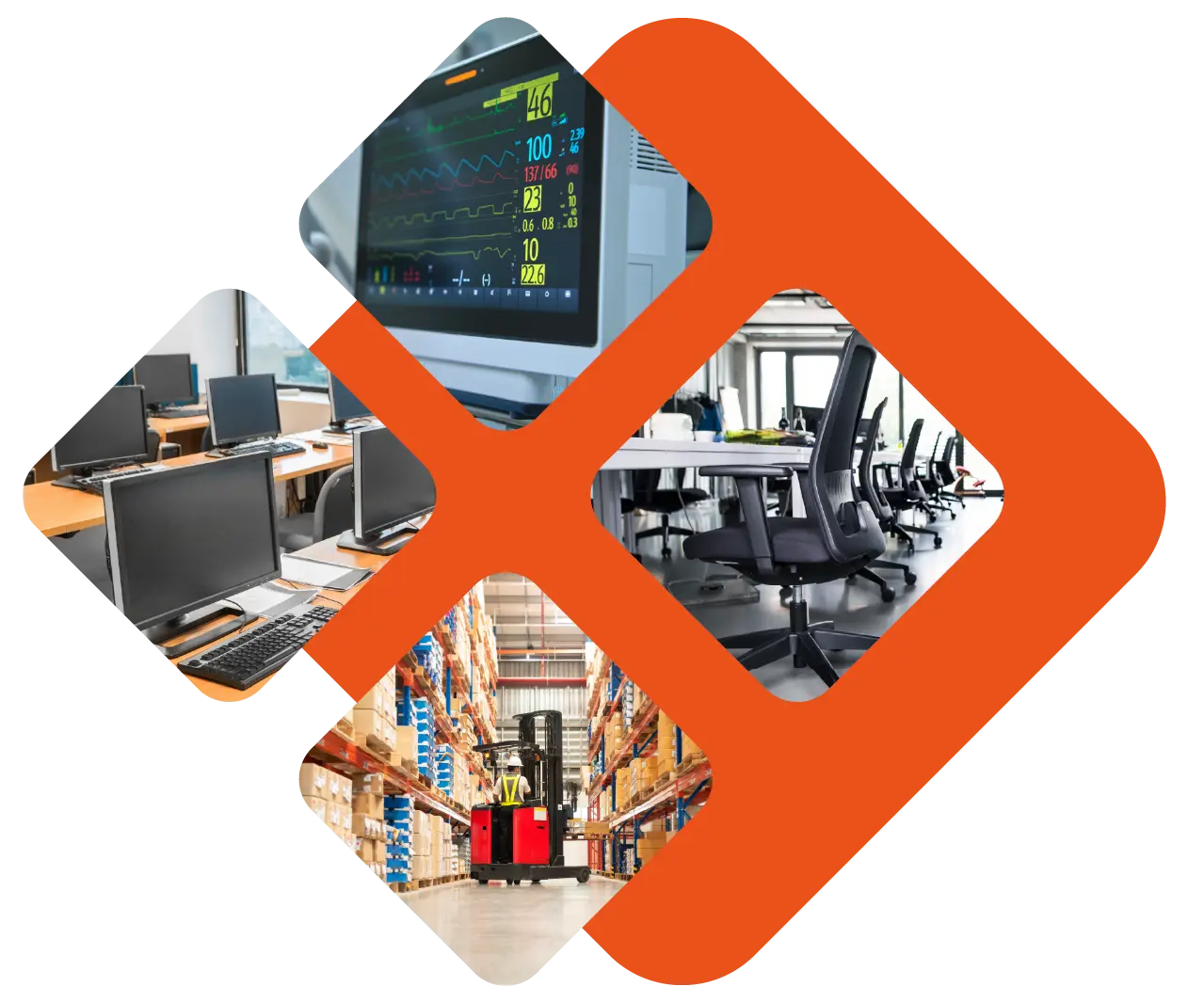
Electronic waste from businesses computer equipment, displays, servers, telecommunications equipment, and similar items must be managed through e-waste recycling channels rather than regular disposal.
Construction and demolition debris from renovation or demolition projects generates large volumes of materials including concrete, wood framing, drywall, roofing materials, and fixtures. California encourages diversion of these materials through recycling and salvage programs, and some jurisdictions require documented diversion rates for permitted projects.
Dumpster and Container Management
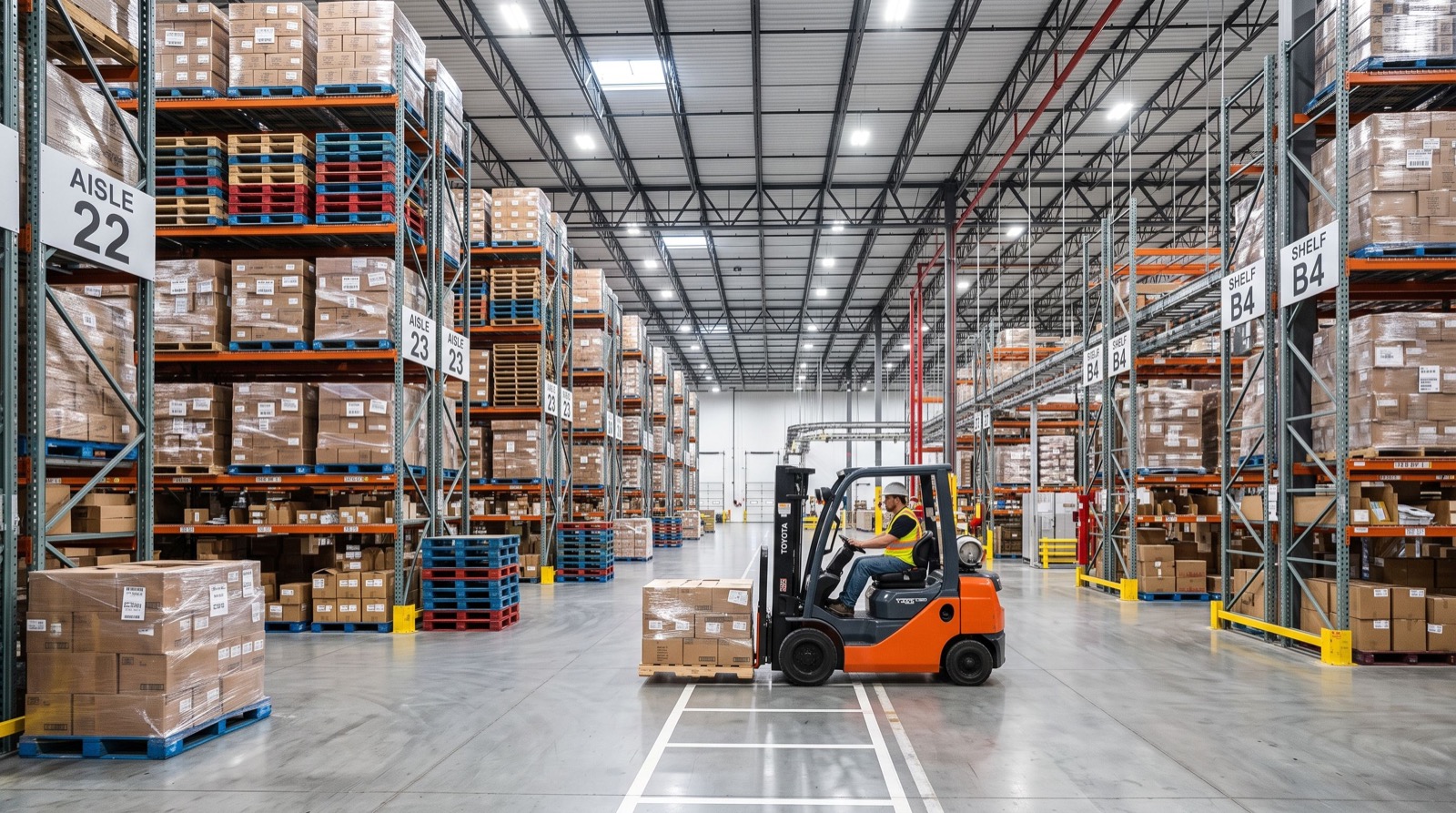
Commercial collection in Indio typically involves larger containers than residential service front-load dumpsters ranging from one to eight cubic yards, or roll-off containers for higher-volume or project-specific needs. Container placement must comply with city ordinances regarding access, clearance from structures, and visual screening. Many commercial areas in Indio require that dumpster areas be enclosed and screened from public view.
Container sizing should be matched to actual waste generation volumes and collection frequency. Undersized containers or insufficient pickup frequency leads to overflow situations that create health hazards, pest attractants, and potential code violations. Oversized containers with infrequent pickup may create odor issues, particularly in Indio’s extreme summer heat. Matching container capacity to generation rate is an important operational consideration.
The Business Case for Strong Waste Management Practices
Beyond regulatory compliance, effective commercial waste management has operational and reputational benefits for Indio businesses. Reduced waste generation through operational efficiency ordering more precisely, reducing packaging, and finding reuse opportunities directly reduces disposal costs. Diverting recyclable materials that have market value can offset some waste management expenses. Clean, well-maintained waste containment areas reflect positively on a business’s overall operation and care for its surroundings.
In Indio’s growing commercial environment, businesses that manage waste responsibly contribute to a cleaner community and demonstrate the environmental stewardship that increasingly matters to customers, employees, and community stakeholders.