Solar Accessories in Pakistan: 9 Upgrades That Boost Output in 2026
Panels and an inverter get all the attention, yet the quiet difference between a mediocre installation and a system that hums along for fifteen years is the supporting hardware. Smart buyers of solar accessories in Pakistan know that the right cables, protection devices and mounting gear protect the expensive parts and squeeze out every extra unit. This 2026 guide breaks down the nine accessories that actually move the needle.
Having commissioned systems from Karachi rooftops to Lahore farmhouses, I can tell you most underperformance traces back to overlooked accessories, not faulty panels. Get these right and your array delivers what the brochure promised.
Why Accessories Decide Long-Term Performance
A solar array is a chain of components, and the weakest link sets the ceiling. Undersized wiring bleeds voltage. Missing surge protection invites a single storm to fry your inverter. The best solar accessories in Pakistan are the ones you never think about again because they simply work. Spending wisely here is cheaper than any warranty claim.
How Much Should Accessories Cost?
As a rule, budget 10 to 15 percent of your total system price for quality accessories. Skimping to save a few thousand rupees often shortens the life of components that cost lakhs. Treat protection gear as insurance, not an optional extra.
The 9 Accessories Worth Your Money
- DC solar cable (PV wire): UV-resistant, double-insulated, correctly sized for your current.
- MC4 connectors: Genuine, properly crimped connectors prevent arc faults and hot spots.
- DC and AC circuit breakers: Isolate faults and let you service the system safely.
- Surge protection devices (SPDs): Shield the inverter from lightning-induced spikes.
- Lightning arrestor and earthing kit: Essential for rooftop safety in monsoon-prone regions.
- Mounting structure: Hot-dip galvanized or aluminium rails rated for local wind loads.
- Combiner box: Neatly consolidates strings with fuses and monitoring points.
- Energy meter or monitoring dongle: Tracks generation so you catch faults early.
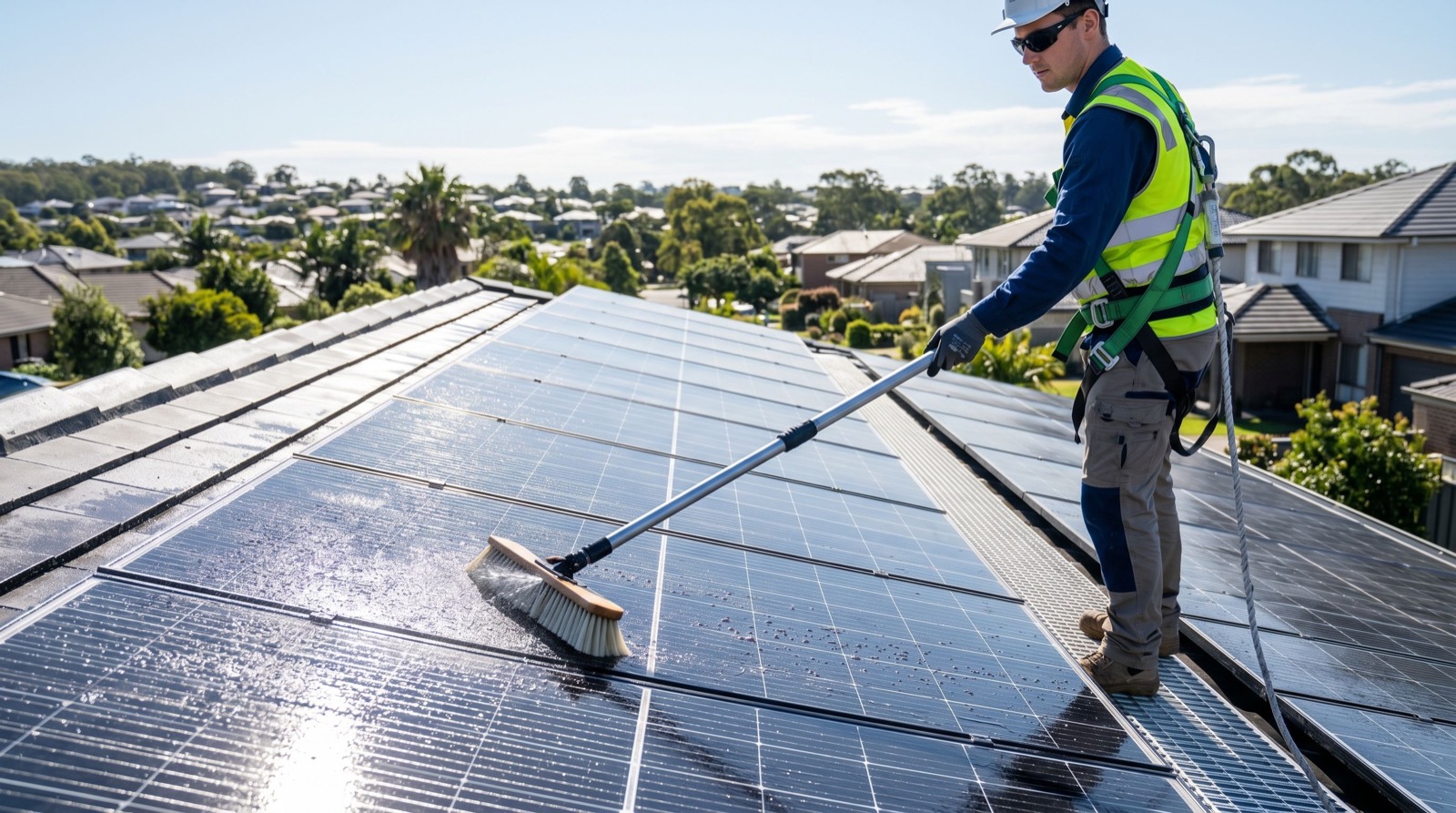
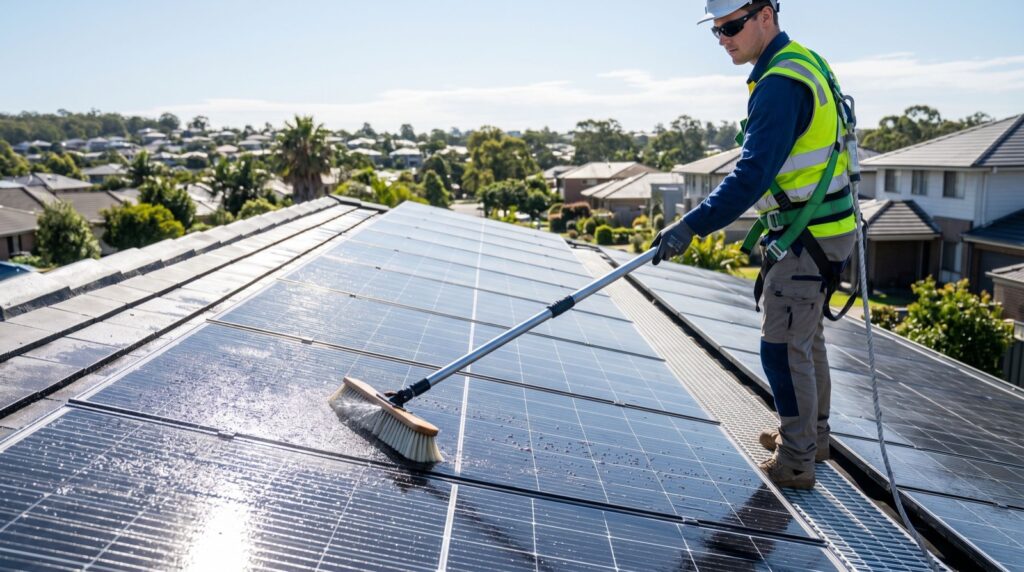
- Cleaning kit: A soft brush and deionised water setup keeps dust from stealing yield.
Cable and Breaker Sizing: A Quick Reference
Voltage drop is the silent thief of solar yield. The table below gives a practical starting point, though a site survey always refines it. Pair any array expansion with a professional solar panel installation Pakistan team so sizing matches your actual run lengths.
| System size | DC cable | Typical DC breaker | Earthing |
|---|---|---|---|
| Up to 3 kW | 4 mm² | 20–25 A | Single rod |
| 3–6 kW | 6 mm² | 32–40 A | Rod + busbar |
| 6–10 kW | 6–10 mm² | 50–63 A | Dedicated array |
| 10 kW+ | 10 mm²+ | Combiner fuses | Engineered grid |
Why Genuine Connectors Matter More Than You Think
Counterfeit MC4 connectors are rampant in local markets and cause a surprising share of rooftop fires. Mismatched brands that look identical can create tiny resistance gaps that heat up over months. Always buy matched, branded connectors and have them crimped with the correct tool, never twisted by hand.
Monitoring: Turn Data Into Savings
You cannot improve what you cannot see. A simple monitoring dongle shows daily generation on your phone, so a dusty panel or failing string reveals itself as a dip in the curve. The U.S. Department of Energy’s homeowner guide to going solar reinforces how ongoing monitoring protects long-term returns. In 2026, most quality inverters include this feature, so insist your installer activates and demonstrates it at handover.
- Spot a 10% drop early and clean before it becomes a 20% loss.
- Confirm net-metering export matches your billing statements.
- Keep performance logs for warranty claims.
Where Buyers Go Wrong
The most common mistake is matching premium panels with bargain-bin accessories. The second is ignoring earthing because it is invisible. The third is skipping the cleaning kit in a dusty climate, where grime can shave 15 to 25 percent off output within weeks. Work only with an experienced local team that itemises every accessory so nothing cheap sneaks into an expensive system.
Seasonal Care for Your Accessories
Accessories are not install-and-forget. The monsoon season is the hardest test, when water ingress and lightning threaten every rooftop connection. Before the first heavy rains, inspect cable glands, confirm the lightning arrestor is intact, and check that the earthing resistance still sits within safe limits. A thirty-minute pre-monsoon walkthrough prevents the most expensive failures of the year.
Dust season brings a different enemy. Fine grit works into connector housings and combiner boxes, where it traps heat and speeds corrosion. Keep the combiner box sealed, replace any cracked gaskets, and clear debris from inverter cooling vents so the electronics breathe freely through the hottest months.
Warranty and Documentation Tips
Quality accessories carry their own warranties, but only if you keep proof. File every invoice, record model numbers, and photograph the completed installation. When a connector or breaker fails inside its warranty window, documented evidence turns a frustrating argument into a quick replacement.
- Keep a simple log of installation dates and component serials.
- Store manufacturer warranty cards digitally as well as on paper.
- Note the installer’s service contact for fast claims.
Budgeting Accessories Into Your Project
Many buyers finalise the panel and inverter price, then discover accessories as an afterthought that strains the budget. Avoid that by asking for a fully itemised quote from day one. A transparent bill of materials lists every cable size, breaker rating and protection device, so nothing cheap slips in to pad a margin. In 2026, reputable suppliers publish accessory pricing openly, which makes honest comparison far easier than it was a few years ago.
Frequently Asked Questions
What are the most important solar accessories in Pakistan?
Correctly sized DC cable, genuine MC4 connectors, DC/AC breakers, surge protection and a solid earthing kit top the list because they protect the panels and inverter from the most common failures.
Can I install solar accessories myself?
Basic cleaning gear, yes. Electrical protection, cabling and earthing should be handled by certified installers, since mistakes here create fire and shock hazards and often void warranties.
How often should I replace connectors and cables?
Quality UV-rated cable and genuine connectors can last the life of the system, roughly 20 to 25 years. Inspect them annually for discoloration or looseness and replace any component showing heat damage.
Do accessories affect net metering approval?
Yes. Proper breakers, isolators and earthing are required to pass the inspection for grid connection, so cutting corners can delay or block your net-metering application.
Conclusion: Build the Whole System, Not Just the Panels
Great solar is a system, and the finest panels fail to deliver behind weak hardware. Prioritise quality solar accessories in Pakistan, insist on genuine protection devices, and track your output so small faults never become big losses.
Planning an install or upgrade in 2026? Shop certified accessories and book a professional survey today so every rupee of your solar investment keeps working for decades.